
Technical syllabus

Core modules for the 3-Day Tesla Swap Class: high-voltage discipline, CAN tooling, and battery management integration. Delivery is lab-first; sequencing may shift with cohort hardware.

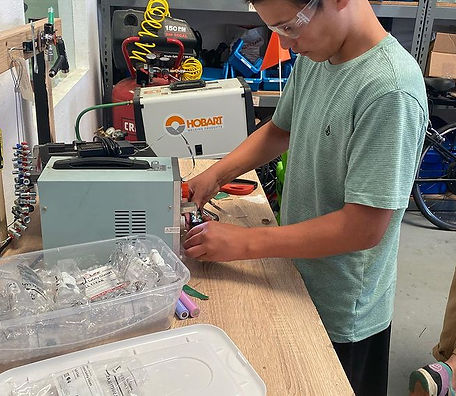
Workbench with tools and EV hardware at EV-LC
Tools & workbench
Motor and drivetrain hardware in the workshop
Motors & drives
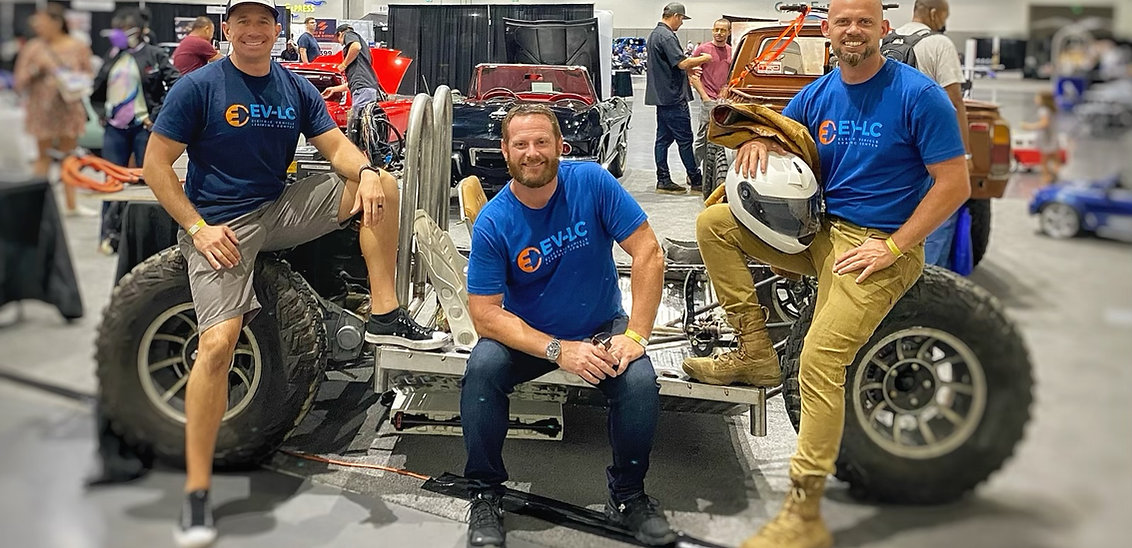
EV-LC lab and workshop floor
Workshop floor

High-Voltage Safety

  • NFPA 70E-style approach boundaries, PPE, and emergency shutdown choreography for pack-level work.
  • Service disconnect, interlock tracing, and proving dead before touching orange conductors.
  • Insulation resistance, fault injection drills, and documentation required for each energization.
  • Thermal runaway awareness, venting strategy, and spill response for lithium modules in the lab.

CAN bus hacking

  • Physical layer review: termination, stubs, shielding, and noise budgets on vehicle backbones.
  • Frame capture with industry analyzers; decoding Tesla-relevant IDs and arbitration behavior.
  • Injection safeguards: when to spoof, when to bridge, and how to avoid bricking inverters.
  • Integration with aftermarket controllers—mapping torque requests and safety limits.

Battery Management Systems

  • Cell topology, balancing theory, and how BMS firmware maintains SOC/SOH under load.
  • Contactors, precharge, isolation monitoring, and fault hierarchies before traction enable.
  • Diagnostics: isolating pack faults, sensor drift, and calibration routines after service.
  • Commissioning checklist tying BMS state to inverter readiness and vehicle-level interlocks.

Ready to book? Register for Workshop · Back to home